


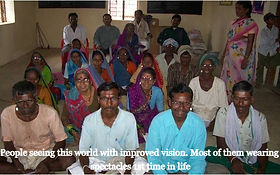
Blindness Control
Problem Background :
Prevalence of blindness in Melghat is higher than rest of India, because of refractive error (for diminished vision), vitamin "A "deficiency, cataract, injury etc. Unavailability of an eye surgeon, a well equipped operation theater, superstitions, illiteracy & poor socio-economic conditions were underline causes when MAHAN started work in 1998.
MAHAN Intervention & Impact :
Initially Dr. Kavita, the only Ophthalmologist in this area, faced the challenge of very low health seeking behavior specially for cataract surgery.
During initial days Dr. Kavita personally visited more than 400 villages including difficult to access villages like ‘Kokmar’, and conducted door to door screening of >4 Lakh villagers & schools students and provided free treatment for needy. Patients who were in need of surgery were brought to hospital & operated upon. MAHAN has full-fledged eye hospital including well equipped modular operation theater.
Vision Provided, especially tribal children and women >32,000
Eye Surgeries (most of them free of cost Cataract Operations) >3,000
Spectacles given to students (most of them free of cost) & people -20,000
Students & villagers screened - 4,70,000
SUCCESS STORIES
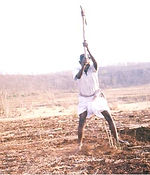
Before cataract surgery, Jiyalal decided to commit suicide due to blindness and starvation due to unemployment. But due to cataract surgery at MAHAN, he started earning for his family and living healthy life.
PHOTO GALLERY
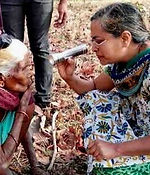
Dr Kavita, examining poor tribal in middle of jungle thus providing services to last tribal, .
RESEARCH PAPER
MAHAN researches accepted & published in various national/ International journals
Reaching 400 villages
To expand our Blindness Control Program, we have taken on the challenge of reaching 400 remote tribal villages — 300 in Melghat and 100 in Madhya Pradesh — where nearly 400,000 tribal people and students from over 100 schools are at risk of preventable blindness.
We have an experienced full-time eye surgeon; well-equipped operation theatres, including a modular OT, phaco surgery machines and operating microscopes; trained hospital and field staff; and ambulance services with deep community connections. The eye department is the Chintaman Paranjape Vision Endowment Eye Department of Mahatma Gandhi Tribal Hospital.
So far, blindness has been prevented or cured in over 36,194 people, and more than 4,000 cataract and eye operations have been done.